
Silage film helps farmers preserve the forage quality and ensures that the nutrients inside are not lost. It also prevents moisture from penetrating the soil, preventing fungus growth, and keeping the hay fresh.
Hof University of Applied Sciences researchers are working on an alternative to conventional plastic silage films. They are hoping that it will be a bio-based product with better properties.
Keeps the quality of the forage
Silage film helps keep your forage’s quality by protecting it from oxygen and moisture during storage. This keeps the hay or corn fresh for a long time and maintains its nutritional value.
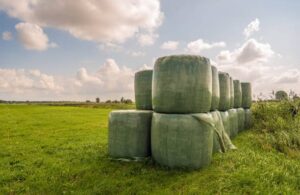 In addition, silage films also protect the hay from destructive fermentation processes and reduce the amount of mould and mildew in the bale. This can save you money and improve your overall feed quality.
When choosing a silage film, you’ll want to select one with high tensile strength per unit weight. This is important because it determines how much the film can support without breaking or tearing.
Several factors influence the tensile strength of silage film, including the type of plastic used and whether it has been extruded or cast. It can also be determined by how thick it is.
Keeps the nutritional value of the forage
Silage film is a product that helps farmers keep their forage for a long time without having to worry about spoiling. It prevents the growth of mould, insects, and air pockets in the forage. It also keeps the nutritional value of the forage intact, making it a valuable feed source.
It is essential to use a high-quality silage film for storing your forage. It should be made from polyethene, between 6 and 8 mils in thickness.
The silage film excludes the air and allows lactic acid bacteria to ferment the forage. This reduces the pH to a level suitable for animals to consume, keeping the nutrients in the forage.
The silage film protects the forage from rain, hail, and insects. It is an excellent choice for farms that produce a large amount of forage and want to keep it in good condition for a long time. It can also help farmers save money and time by ensuring their forage is stored in good shape all year round.
Keeps the forage fresh
Using silage film helps farmers preserve the quality of their forage and reduces spoilage during storage. In addition, these films can keep the forage fresh by protecting it from sunlight and moisture.
In addition, these films are also able to resist atmospheric agents and prevent unwanted fermentation processes. Therefore they are a must-have in the agriculture industry.
While storing hay, corn and silage, many challenges need to be dealt with. These include the damage caused to the grass, corn and silage by weather conditions and the continuous threat from cattle, birds, insects, etc.
For this reason, silage film was invented to help farmers overcome these problems. This film can preserve the forage, maize and hays and keep them fresh.
Keeps the silage fresh for a long time
Silage film is a form of plastic that farmers use to wrap silage bales. It helps keep the bales fresh and prevents mould from growing on the silage.
The silage film must be able to stretch a lot without tearing. It should also be impervious to water and oxygen.
This keeps the forage from spoiling and will allow you to feed your livestock longer. This will help you save money and will also be able to provide your animals with the nutrients they need during the winter months.
The cover must be weighted to prevent air infiltration under the surface and ensure all edges are secured to avoid billowing or flapping. This can pump air over the silage mass and significantly increase spoilage. Typical methods include using used tires or soil to weigh the cover.
Silage Film
Silage film is an excellent choice for wrapping hay bales, as it provides protection from rain and hail. It also helps prevent bacterial spoilage and preserves the nutritional content of the bales.
Using silage film for bale wrap is easy and cost-effective and helps farmers save money by eliminating the need for bulky boxes. This type of packaging is also helpful for reducing the time spent moving and storing hay bales.
The agriculture industry primarily drives the silage plastic films market. However, due to increased agricultural production and raw materials availability, it is expected to grow in Asia, North America, and Europe markets.