
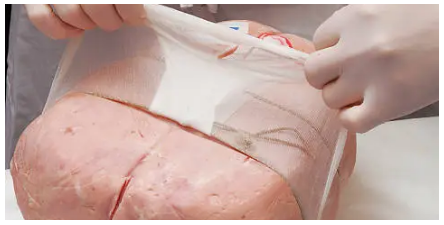
Across Australia’s agriculture, meat processing, and fresh produce industries, packaging durability directly affects product quality, logistics efficiency, and cost control. This is why stockinette bags remain a staple solution, especially when businesses require breathable, flexible, and protective packaging for irregular or high-volume goods. For operations that demand greater strength and load reliability, heavy-duty stockinette bags are increasingly preferred due to their improved tensile strength and resistance to tearing during transport and storage.
This guide explains how Australian businesses can choose the right stockinette solution based on material quality, application type, and industry requirements.
What Are Stockinette Bags and Why They Matter in Australia
Stockinette bags are tubular mesh-style packaging materials made from knitted cotton or synthetic fibres such as polyester or polyethylene blends. Their breathable structure allows airflow while securely containing produce, meat cuts, or industrial components.
In Australia, they are widely used in:
● Livestock and meat processing facilities
● Potato, onion, and citrus farming operations
● Seafood packaging and distribution
● Industrial parts handling and storage
Their popularity comes from their ability to reduce moisture buildup and extend product freshness, particularly in long-haul transport across Australia’s vast supply chains.
Why Heavy-Duty Stockinette Bags Are in Demand
Standard stockinette options may not always withstand the demands of bulk handling or high-weight loads. This is where heavy-duty stockinette bags provide a clear advantage. They are engineered with thicker yarns, tighter knitting, and reinforced seams to withstand greater stress without stretching or breaking.
Australian industries often prefer heavy-duty versions because:
● They reduce product loss during transportation
● They improve stacking efficiency in warehouses
● They withstand rough handling in rural logistics environments
● They offer better reusability in controlled operations
For agricultural exporters, especially those shipping produce from regional hubs like Victoria, Queensland, and Western Australia, durability is not optional—it is essential.
Key Factors When Choosing Stockinette Bags in Australia
Selecting the right stockinette product requires evaluating operational needs rather than just price. Below are the most important considerations.
1. Load Capacity and Weight Rating
Not all stockinette bags are designed for the same weight range. Heavy-duty versions typically support significantly higher loads, making them ideal for bulk produce such as potatoes and onions, as well as frozen meat cuts.
If your operation involves palletised transport or stacking, always verify load tolerance before purchasing.
2. Material Composition
Material choice affects breathability, durability, and compliance with food handling standards.
● Cotton stockinette: Traditional, biodegradable, breathable
● Synthetic blends: Higher durability and moisture resistance
● Reinforced variants: Designed for industrial-grade applications
In the Australian food industry, compliance with hygiene and safety standards is critical, so material certification should always be verified.
3. Mesh Density and Airflow
A tighter mesh provides better containment but slightly reduced airflow, while a looser weave improves ventilation but may reduce structural strength. Heavy-duty stockinette bags typically strike a balance between durability and freshness.
This balance is especially important for perishable goods transported across long distances in Australia’s export supply chains.
Common Applications Across Australian Industries
The versatility of stockinette packaging makes it useful across multiple sectors:
Agricultural Packaging
Farmers use stocking bags for root vegetables like potatoes and onions. The breathable design prevents premature spoilage during storage and transport.
Meat and Butchery Operations
In abattoirs and processing plants, stockinette helps separate cuts, reduce contamination risk, and streamline cold-chain logistics.
Seafood Distribution
Coastal suppliers rely on durable stockinette to maintain product integrity during transport to inland markets.
Industrial Use
Beyond food, stockinette is used to bundle mechanical parts, scrap materials, and irregularly shaped components.
Benefits of Using Heavy-Duty Stockinette Bags
Practical performance improvements drive the shift toward heavy-duty stockinette bags in Australian supply chains.
Key benefits include:
● Reduced packaging failures during transport
● Improved load stability in pallets and crates
● Better resistance to abrasion and puncturing
● Enhanced product protection in rough rural logistics conditions
For businesses managing high-volume output, these advantages translate directly into lower operational losses and higher efficiency.
Sustainability and Waste Reduction Considerations
Sustainability is becoming increasingly important in Australian packaging decisions. Many businesses are transitioning toward reusable or recyclable stockinette solutions to reduce environmental impact.
Cotton-based stockinette options can be composted under certain conditions, while synthetic variants often offer longer reuse cycles, reducing overall waste. Choosing the right balance depends on whether your priority is biodegradability or extended durability.
Supplier Selection and Procurement Tips in Australia
When sourcing stockinette bags locally or through distributors, consider:
● Consistency of weave quality across batches
● Availability of custom sizing for industrial use
● Compliance with Australian food safety standards
● Bulk pricing options for large-scale operations
● Lead time reliability for regional delivery
Reliable supply chains are particularly important for agricultural producers operating in seasonal cycles, where delays can impact harvest logistics.
Conclusion
Stockinette packaging remains a foundational component of Australia’s agricultural, food processing, and industrial logistics sectors. However, not all options are created equal. Choosing the right solution—especially heavy-duty stockinette bags—can significantly improve efficiency, reduce product loss, and enhance overall supply chain performance.
By evaluating material quality, load requirements, and application context, Australian businesses can make informed decisions that support both operational reliability and long-term cost savings.