
On modern farms in Australia, where efficient feed management is critical to livestock health and productivity, the importance of high-quality silage cannot be overstated. Silage is a type of fermented forage used as animal feed, particularly in dairy and beef cattle farming. It’s rich in nutrients and provides a cost-effective solution to maintain healthy livestock during winter or periods of feed scarcity. However, the quality of silage is heavily dependent on proper storage methods. One of the most effective tools for ensuring that silage remains of high quality is the use of silage covers.
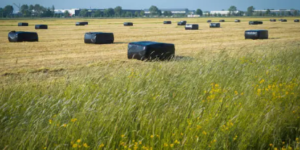 Silage covers are protective materials used to seal silage piles, bunkers, or silage pits, creating an airtight environment to preserve the quality of the feed. While they may seem like an additional expense, the benefits of using silage cover far outweigh the costs, making them an essential investment for any farm looking to produce high-quality feed and ensure the longevity of their silage supply.
Protecting Silage from Spoilage and Contamination
One of the primary reasons for using silage covers is to prevent spoilage and contamination. Silage is susceptible to oxygen exposure, which can cause aerobic degradation. When exposed to oxygen, the silage begins to lose its nutritional value, and undesirable microbes such as moulds and yeasts can develop. It leads to a decrease in feed quality and can result in silage that is unpalatable or even harmful to livestock.
Silage covers create a barrier that prevents oxygen from reaching the silage, ensuring the fermentation process proceeds correctly, and the feed remains fresh. By sealing the silage tightly, these covers reduce the risk of aerobic spoilage, which is especially critical during hot and humid weather when the risk of mould and bacterial growth is heightened.
Preserving Nutrient Content
Silage is a valuable feed source because of its rich nutrient content, which is critical for the health and productivity of livestock. The fermentation process that turns green forage into silage helps preserve these nutrients, particularly energy-rich carbohydrates. However, the quality of silage can degrade over time due to improper storage conditions.
By using silage covers, farmers can help maintain the integrity of the nutrients in the silage. These covers keep the feed in an anaerobic (oxygen-free) environment, which is essential for the preservation of vitamins, proteins, and fats. Properly covered silage will retain its nutritional value for a much longer period, reducing the need for supplemental feed and minimising waste.
Improving Feed Quality for Livestock
High-quality silage not only supports the nutritional needs of livestock but also promotes better growth, higher milk production, and improved reproductive performance. Cattle, for example, thrive on silage that is rich in digestible fibre, energy, and proteins. Silage that is contaminated with mould or has suffered nutrient loss can result in lower feed intake, digestive issues, and overall poor performance.
By using silage covers to ensure a tightly sealed storage environment, farmers can avoid these issues and provide their animals with consistent, high-quality feed. Animals that are fed properly preserved silage tend to have better health outcomes and greater productivity, leading to improved profitability for the farm.
Minimising Feed Losses
Another significant advantage of silage covers is the reduction of feed losses. Improperly stored silage can lead to significant waste, whether from mould growth, water contamination, or spoilage. A significant portion of silage can be lost to spoilage if not properly covered, leading to unnecessary costs for the farm.
Silage covers minimise these losses by protecting the feed from environmental factors such as rain, snow, and UV rays. During the fermentation process, rainwater can dilute the nutrients in the silage, leading to reduced quality and increased feed waste. By covering the silage, farmers can avoid these challenges and ensure a more efficient use of resources.
Conclusion
In conclusion, silage covers are a vital investment for farmers in Australia who want to preserve high-quality feed for their livestock. These covers protect silage from spoilage, contamination, and nutrient loss, ensuring that the feed remains fresh and nutritious. They also reduce feed waste, extend shelf life, and support improved livestock health and productivity. For any farm looking to optimise feed management, silage covers are not just an accessory—they are an essential tool that can help maximise profits, minimise waste, and ensure the long-term sustainability of farm operations.