
An RFID reading tool is a radio frequency identification reader that interrogates tags, which then respond with data. Readers can be fixed, handheld or mounted on mobile equipment.
This technology can save supply chain businesses money by eliminating manual inventory tracking. It can also reduce the risk of EMI interference with medical devices, which could damage the equipment or even cause life-threatening events.
Frequency & Duty Cycle Indicator
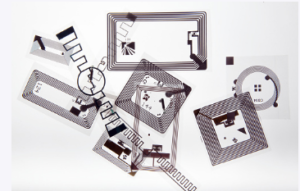 RFID is an electronic wireless technology that uses radio waves to transmit data. It is a crucial technology for tracking and managing inventory in retail, manufacturing, transportation, healthcare and other industries. RFID enables retailers to reduce theft, supply chain disruptions and manual inventory processes. It also helps them better manage stock levels, improve security and customer experiences.
Different frequency bands exist for RFID tags, each with pros and cons. For example, the ultra-high-frequency (UHF) band has a higher reading range than the low-frequency (LF) bars but is susceptible to interference from liquids and metals. In addition, UHF RFID tags require a power source to operate, which increases costs.
Another advantage of UHF RFID is that it can be used in crowded environments where other technologies might struggle to communicate. On the other hand, LF RFID readers are often restricted by the size of their antennas.
Unlike barcodes, which can be easily scanned at a distance, RFID antennas must be close to the tag to receive data. As a result, their operational ranges can vary significantly depending on the environment and location of the title.
For example, a medical facility’s RFID system may only be able to read tags within 4 inches of the reader, which can cause problems if medical supplies aren’t correctly stocked and reordered. It can be prevented using an anti-collision protocol to avoid multiple tags communicating with the same reader simultaneously.
RFID offers healthcare providers several other benefits, including tracking patient progress and medication usage. It also helps eliminate the misidentification of patients, a standard error that can have serious consequences. RFID-based systems can track and store data for each patient, including hospital admissions, care plans and prescriptions.
In addition to streamlining inventory management, RFID reading tool can help hospitals avoid drug counterfeiting. It is because the information stored on each RFID tag, such as the raw materials used and the manufacturer, can be used to identify it. It can help protect patients and reduce the cost of medicine. It is why many pharmaceutical companies are implementing RFID labelling for their products. Manufacturers can track drug inventory to ensure genuine products meet regulatory requirements. In addition, they can also keep track of expiration dates and reorder items before they run out.
Read-a-Card Software
The Read-a-Card software provides the missing link between standard contactless RFID / NFC readers and existing software applications. It automates the data capture, reformatting and output functions. It works with almost all PC/SC-compliant reader types (including MIFARE & Prox) and can read both standard chip CSN/UID, customer-specific card numbering formats, as well as the securely encoded data on DESFire & iCLASS cards. It can be integrated directly into Windows applications via a Windows messaging-based API or via a JavaScipt web server that enables a web page to automatically read the RFID card information when it is presented for entry.
RFID tags contain a sensor attached to an antenna, often within a plastic cover. They use near-field communication technology to communicate with compatible readers. They can be applied to products, people or vehicles to track and monitor their movement securely and robustly. They can also be used for two-factor authentication – providing both ‘something you have’ (the RFID tag) and something you know (a PIN or password).
In many organisations, they are a vital component of employee identification systems. They can be linked to a central HR database that stores a person’s career history and performance details. They can also be used for access control to facilities, areas or equipment. They are commonly used in military, medical and transport industries where the ability to locate and track assets, equipment and personnel is crucial.