
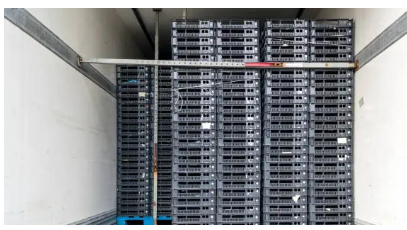
Efficient cold storage management is essential for Australian businesses operating in the food, pharmaceutical, and logistics sectors. One of the most effective tools for improving airflow and maintaining consistent temperatures is pallet freezer spacers. These simple yet highly functional products help create proper gaps between pallet loads, allowing refrigerated air to circulate evenly throughout storage areas. Understanding the materials and design features of pallet freezer spacers can help warehouse managers maximise efficiency, reduce energy consumption, and protect valuable inventory.
Why Pallet Freezer Spacers Matter in Australian Cold Storage
Australia’s cold chain industry supports a wide range of sectors, including fresh produce, seafood, meat processing, and pharmaceutical distribution. Maintaining strict temperature control is critical to preserving product quality and meeting regulatory requirements.
Pallet freezer spacers are designed to ensure adequate airflow around palletised goods in freezers and cold rooms. Without proper spacing, cold air can become trapped or blocked, leading to temperature inconsistencies that may compromise product integrity. By maintaining consistent gaps between pallets, these spacers improve cooling efficiency and reduce the risk of spoilage.
As energy costs continue to rise across Australia, businesses are increasingly seeking ways to optimise freezer performance. Proper spacing solutions can contribute significantly to overall operational efficiency.
Common Materials Used in Pallet Freezer Spacers
The material used in a freezer spacer directly impacts its durability, hygiene, and performance. Selecting the right material depends on the operating environment and storage requirements.
High-Density Polyethylene (HDPE)
HDPE is one of the most popular materials used in freezer spacers. It offers excellent durability, moisture resistance, and impact strength, making it ideal for demanding cold storage applications.
Advantages include:
● Resistance to freezing temperatures
● Easy cleaning and sanitisation
● Long service life
● Lightweight handling
Many Australian cold storage facilities prefer HDPE because it can withstand repeated use without cracking or warping.
Polypropylene (PP)
Polypropylene is another commonly used material for pallet freezer spacers. It performs well in cold environments and provides excellent chemical resistance.
Benefits include:
● High structural strength
● Resistance to moisture and contaminants
● Cost-effective manufacturing
● Recyclable properties
This material is often selected for facilities seeking a balance between durability and affordability.
Reinforced Plastic Composites
Some premium freezer spacers incorporate reinforced plastic composites to enhance load-bearing capacity. These materials offer superior strength while remaining lightweight.
Composite designs are particularly useful in large-scale cold storage warehouses where pallets are moved frequently using forklifts and automated systems.
Key Design Features to Consider
The effectiveness of freezer spacers depends not only on the material but also on their overall design. Modern spacer designs focus on maximising airflow, improving safety, and simplifying warehouse operations.
Airflow Optimization
One of the primary objectives of pallet freezer spacers is to facilitate uniform air circulation. Well-designed spacers create consistent gaps between pallet loads, allowing cold air to move freely throughout storage areas.
Enhanced airflow provides several benefits:
● Faster product cooling
● Reduced hot spots
● More stable storage temperatures
● Improved energy efficiency
For Australian facilities storing temperature-sensitive products, optimised airflow is essential for maintaining compliance and product quality.
Lightweight Construction
Warehouse staff frequently handle freezer spacers during loading and unloading operations. Lightweight designs improve usability and reduce physical strain.
Many modern spacers are engineered to provide maximum strength while minimising overall weight. This improves operational efficiency and helps reduce workplace injuries.
Stackability and Storage Efficiency
Storage space is valuable in any warehouse. Effective spacer designs often include stackable features that allow unused units to be stored compactly.
This design feature helps facilities maintain organised workspaces while reducing storage requirements when spacers are not in use.
Durable Structural Design
Cold storage environments can be harsh on equipment. Freezer spacers should be designed to withstand impacts, compression forces, and repeated handling.
Rounded edges, reinforced corners, and robust structural supports help extend product lifespan while maintaining consistent performance over time.
Hygiene Considerations for Food and Pharmaceutical Applications
Australian food safety standards require strict hygiene controls throughout the cold chain. Spacer design plays an important role in supporting sanitary operations.
Smooth surfaces and non-porous materials make cleaning easier and help prevent contamination. Many freezer spacers are designed without deep crevices where dirt, moisture, or bacteria can accumulate.
For pharmaceutical storage, hygienic design is equally important. Facilities that handle vaccines, medicines, and sensitive medical products often prioritise spacer solutions that support rigorous cleaning protocols.
Sustainability Trends in Australia
Environmental responsibility has become a key consideration for many Australian businesses. Manufacturers are increasingly producing pallet freezer spacers using recyclable materials and sustainable production methods.
Reusable spacers offer a significant advantage over disposable alternatives by reducing waste and lowering long-term operating costs. Some suppliers also provide recycling programs that help businesses manage end-of-life products responsibly.
As sustainability initiatives continue to influence purchasing decisions, eco-friendly spacer solutions are becoming more attractive across the cold storage industry.
Choosing the Right Pallet Freezer Spacer Solution
Selecting the appropriate freezer spacer requires evaluating several factors:
● Type of products being stored
● Freezer temperature range
● Warehouse layout
● Frequency of pallet movement
● Hygiene requirements
● Sustainability goals
Businesses should also consider compatibility with existing pallet systems and material handling equipment. The right spacer solution can improve airflow efficiency, support regulatory compliance, and enhance overall warehouse productivity.
Conclusion
The materials and design of pallet freezer spacers play a crucial role in modern Australian cold storage operations. Whether constructed from HDPE, polypropylene, or advanced composite materials, these products help maintain proper airflow, improve temperature consistency, and support efficient warehouse management.
By investing in high-quality pallet freezer spacers, Australian businesses can enhance cold chain performance, reduce energy costs, improve hygiene standards, and protect valuable inventory. As the cold storage industry continues to evolve, selecting the right spacer design will remain an important factor in achieving operational excellence.