
Choosing the best dental implants is challenging, but there are several ways to go about it. The best dental implants are made with high-quality materials and are crafted to last a lifetime.
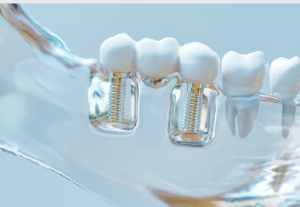 Endosteal implants
Having endosteal implants is a great way to restore the appearance of teeth and prevent future dental problems. In addition, the implant creates a stronger foundation for new teeth and gives you a healthy, pain-free smile.
Endosteal implants are made from titanium or ceramic and are implanted into the jawbone. They are often used to replace one tooth or a group of teeth. An oral or maxillofacial surgeon performs this surgery. They are usually placed under local anesthesia.
During the implant process, the Best dental implants Adelaide oral surgeon will numb the area of the mouth, drill small holes into the bone, and then insert the endosteal post into the hole. The oral surgeon will then close the gums over the post to prevent infection.
Sometimes, the oral surgeon uses scanning technology to take a 3-D image of the patient’s jawbone. This image will be used to design an endosteal implant. The endosteal implant will then be created with surgical-grade titanium or ceramic.
Endosteal implants can be placed under local anesthesia, which usually takes several months. The new bone formation provides support for eating and talking. During the healing process, patients should eat soft foods. In addition, they should brush their teeth regularly and take prescribed antibiotics.
During the implant process, the surgeon will use a special drill to create a hole in the bone. Then, the CAT scan will create a 3-D image of the jawbone.
The Best dental implants Adelaide procedure’s next step is placing an artificial tooth on the endosteal implant. Next, the dentist will take impressions of the teeth to create a dental prosthetic. Finally, the dental prosthetic will be attached to the abutment and fitted onto the titanium implant.
The endosteal implant procedure is a surgical operation that requires general anesthesia. It takes several months for the new bone to form.
Subperiosteal implants
Depending on the number of teeth you need to replace, you can choose between the three types of dental implants: endosteal, blade, and subperiosteal implants. Each type of implant has different strengths and requirements.
Subperiosteal implants are the least invasive of the three types of implants. They do not require surgical placement into the jawbone but are placed on top of the bone instead. As a result, they provide patients with more support than dentures and are the ideal choice for those with inadequate bone mass for standard dental implants.
A subperiosteal implant consists of a metal frame. It is placed over the jawbone and anchored below the gums. The frame is constructed from a metal alloy, such as cobalt or chrome. It contains a series of posts embedded in the bone and gum tissue. They are then connected to the metal structure by a series of rods. The rods are attached to a titanium screw, which is used to attach an artificial tooth.
Endosteal implants are the most common type of dental implant. They are usually shaped like screws or plates. The screws are surgically placed in the jawbone and then covered with Hydroxylapatite (HA) material. Over time, the screw will bond with the natural bone, creating a permanent anchor for the artificial tooth. Endosteal implants are the safest dental implants. They have a higher success rate and a longer lifespan.
Compared to endosteal implants, subperiosteal implants offer less risk and recovery time. In addition, the procedure is less invasive and requires only a small incision in the gums. However, the success rate of subperiosteal implants is lower.
If you’re looking for the best dental implants, you’re likely considering one of the three types. Each type is suited to specific patients. You’ll need to consult your doctor to determine which type of implant is best for you.
Mini dental implants
The mini implant can replace most teeth, but it is most commonly used to secure a dental bridge. It also has a few other uses, including providing stability for dentures.
Mini implants are made of titanium, one of the strongest materials used in medicine. It is also biocompatible. They are about half the size of conventional implants. They are also less costly and require less bone to support.
Mini implants can secure bridgework, partial dentures, or full dentures. They are also an excellent choice for those with loose arch dentures.
Mini implants can also be used to secure dental crowns. They are usually made from measurements of your teeth.
Mini implants may be the best dental implants for your needs, but they are only right for some. For example, those with severe tooth decay, bone loss, or a poor oral hygiene history may not be candidates.
If you’re considering getting mini dental implants, read on to find out the most important things to know. Also, find a dentist who specialises in mini dental implants. It can prevent failure. Also, make sure you choose a dentist who is knowledgeable and polite.
The mini-implant craze has taken the dental world by storm. Whether you’re looking to replace one missing tooth or multiple, mini dental implants can provide you with the security and confidence you need.
Bone grafts
The recovery process for bone grafts for dental implants depends on the graft’s location and the patient’s ability to heal. Depending on the patient’s health, it can take three to nine months to recover from the surgery. You can consult your dentist if you have questions about bone graft recovery.
Patients may feel pain and discomfort during the procedure, and some may even experience bleeding. Pain medication may be prescribed. After the procedure is complete, you will be given instructions for post-operative care. You may be prescribed antibiotics, ice packs, and pain relievers. You will also be given dietary instructions. It is important to follow these instructions, especially if you are under general anesthesia.