
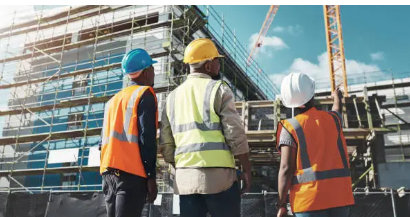
Melbourne’s skyline is a striking reflection of the city’s rapid growth, architectural innovation, and urban sophistication. Construction companies in Melbourne have been at the forefront of this transformation, delivering projects that combine modern design, functionality, and sustainability. From high-rise residential towers to large-scale commercial developments, these companies are redefining the city’s landscape while contributing to Melbourne’s reputation as a hub of contemporary urban living. Their work goes beyond mere construction—it represents a vision of Melbourne’s future, where efficiency, style, and environmental responsibility coexist seamlessly.
Transformative Projects Redefining Melbourne’s Skyline
Several landmark developments have showcased the capabilities of construction companies in Melbourne. One of the most iconic is the Victoria One skyscraper, which stands at 246.8 meters and consists of 76 floors. Completed in 2018, Victoria One demonstrates the city’s transition towards high-density residential living without compromising on luxury or design aesthetics.
Another notable project is the Prima Pearl tower in Southbank. Rising 254 meters, it remains one of the tallest residential buildings in the city. Its sleek architectural design and prime riverside location emphasise the trend toward luxury living in central Melbourne, catering to residents seeking both comfort and prestige. These transformative projects highlight the advanced expertise, planning, and execution capabilities of construction companies in Melbourne, ensuring the city continues to grow in both scale and sophistication.
Emphasis on Sustainable Building Practices
Sustainability has become a central focus for modern construction in Melbourne. Leading construction companies in Melbourne are increasingly adopting environmentally conscious building methods, reflecting global trends and local regulatory pressures. For instance, Lendlease’s Melbourne Quarter development integrates green spaces, energy-efficient systems, and innovative building materials. This project not only meets the city’s housing and commercial demands but also minimises environmental impact, showcasing construction companies’ commitment to sustainable urban development.
Sustainable practices extend beyond just energy efficiency. Many construction projects incorporate smart water management, waste reduction strategies, and the use of low-impact construction materials. By doing so, Melbourne’s construction companies are setting new standards for responsible urban development, ensuring the city’s expansion is in harmony with ecological considerations. These efforts demonstrate that modern construction is about more than building; it’s about creating resilient, sustainable, and livable urban environments for generations to come.
Innovation and Architectural Excellence
Innovation is another hallmark of Melbourne’s construction industry. The Atlas skyscraper, for example, represents a project that pushes the boundaries of both architecture and urban living. With its striking exterior and functional interior layouts, the building is poised to become a defining feature of the city’s skyline. Such projects underline the importance of combining architectural creativity with engineering precision, ensuring that Melbourne’s urban landscape remains both visually appealing and practical for residents and businesses alike.
Furthermore, construction companies in Melbourne are increasingly adopting cutting-edge technologies, including 3D modelling, modular construction, and smart building systems. These innovations not only enhance efficiency and safety but also enable more flexible and ambitious designs. By embracing technological advancements, Melbourne’s construction sector continues to deliver projects that are both forward-thinking and highly functional, enhancing the city’s global architectural reputation.
Navigating Challenges in the Construction Sector
While Melbourne’s construction industry is thriving, it faces several challenges. Economic fluctuations, material supply constraints, and regulatory changes can impact project timelines and budgets. Construction companies must be agile and strategic, often adopting innovative solutions to address these hurdles. Despite these challenges, the industry continues to attract investment and talent, creating opportunities for growth and further innovation.
The competitive market encourages construction companies to continuously improve their services. From adopting sustainable practices to leveraging advanced project management tools, Melbourne’s builders continually refine their approaches to deliver exceptional results. These efforts ensure that the city’s construction projects remain on schedule, on budget, and aligned with community and environmental expectations.
Looking Ahead: The Future of Melbourne’s Skyline
The future of Melbourne’s skyline is promising. With several ambitious projects underway and plans for innovative developments on the horizon, construction companies in Melbourne are positioned to play an even more significant role in shaping the city. Their focus on sustainability, innovation, and quality ensures that Melbourne will continue to evolve as a modern, vibrant metropolis.
As the city grows, construction companies are not merely erecting buildings—they are crafting a vision of Melbourne as a global city that balances growth with environmental stewardship. Their work impacts not only the skyline but also the quality of life for residents, the efficiency of commercial spaces, and the overall aesthetic appeal of the city of Melbourne.
In conclusion, construction companies in Melbourne are vital to the city’s ongoing transformation. Through landmark projects, sustainable practices, and architectural innovation, they are shaping a skyline that reflects Melbourne’s aspirations, growth, and commitment to excellence. As new developments emerge and the city continues to expand, these companies will remain key players in shaping Melbourne’s identity on both the national and global stages.