
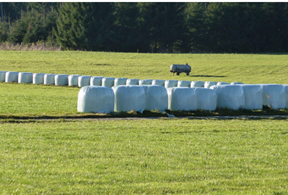
Producing quality silage in Australia’s coastal farming regions can be challenging when high-moisture fodder is harvested from low-lying soils. Acid sulphate soil zones, found across parts of coastal New South Wales, Queensland, Victoria, and other low-lying areas, can create difficult field conditions where careful forage handling is essential. High-performance bale wrap plays an important role once the crop reaches the baler.
For producers making silage in these environments, the priority is creating a reliable oxygen barrier that limits air movement into the wrapped bale. Choosing oxygen-barrier bale wrap for coastal silage products with strong tack, consistent stretch, and dependable multi-layer construction can help maintain an effective seal during storage.
Why Oxygen Control Matters in Coastal Silage
Silage preservation depends on creating and maintaining an oxygen-limited environment. After wrapping, residual oxygen needs to be displaced as the forage settles and fermentation progresses. If air enters through punctures, weak seals or gaps between film layers, aerobic deterioration can develop.
Coastal conditions can increase the practical demands placed on agricultural film. Uneven paddocks, stubble, plant stems and handling equipment can all create opportunities for damage. For high-moisture fodder, selecting a film designed specifically for silage preservation is therefore critical.
What to Look for in Bale Wrap
Not all agricultural films provide the same level of protection. For coastal silage operations, several physical characteristics deserve close attention.
Multi-Layer Film Construction
Multi-layer bale wrap can combine different polymer layers to balance strength, stretch, and barrier performance. A well-designed agricultural film should stretch consistently around the bale while maintaining enough resilience to resist tearing during wrapping and handling.
The number of layers alone does not determine performance. Film formulation, thickness, manufacturing quality, and consistent layer bonding all influence the finished product.
High Tack for Reliable Sealing
Film tack helps adjacent layers adhere after wrapping. This is particularly important around overlaps, where a poor seal can provide a pathway for oxygen.
High-tack oxygen barrier bale wrap coastal silage film should maintain adhesion under the temperature and handling conditions expected during storage. Correct wrapper settings are equally important, because excessive or insufficient overlap can compromise the seal.
Stretch and Oxygen Barrier Properties
Stretch characteristics affect both bale coverage and film tension. A suitable film should stretch without becoming excessively thin or losing its ability to protect the bale.
For silage producers, the objective is not simply to wrap the bale tightly. The film must form a continuous oxygen barrier around the forage, with enough layers to prevent air ingress and physical damage.
Coastal Silage Wrapping Practices
Good film performance works best when combined with disciplined wrapping procedures. Before wrapping:
● Check bales for sharp protrusions or loose material that could puncture film.
● Keep the wrapping equipment correctly adjusted.
● Apply the manufacturer’s recommended film stretch and overlap settings.
● Inspect finished bales for holes, tears and poorly sealed areas.
● Repair suitable punctures promptly with compatible silage tape.
Storage conditions also matter. Wrapped bales should be handled carefully to minimise punctures and stored away from hazards that could damage the film.
Protecting High-Moisture Fodder During Storage
High-moisture forage requires dependable protection because oxygen exposure can undermine preservation quality. A strong bale wrap system helps isolate the forage from the surrounding atmosphere during fermentation.
For Australian coastal producers, this makes film selection more than a purchasing decision. The combination of film quality, correct application and careful bale handling determines how effectively the wrapped package maintains its oxygen barrier.
Conclusion
Reliable bale wrap is an important part of producing stable silage in Australia’s coastal farming regions. For fodder harvested from challenging low-lying areas, look for multi-layer construction, dependable stretch, strong tack and effective oxygen barrier performance. Pair quality film with the right wrapping settings, thorough inspection, and careful storage to reduce the risk of air ingress and spoilage.
If you are wrapping high-moisture coastal silage, review your current film specifications and application settings to ensure your oxygen-barrier bale-wrap system meets the demands of your operation.
—
Frequently Asked Questions
1. Why is an oxygen barrier important for silage?
An effective oxygen barrier helps limit air entering the wrapped bale, supporting the anaerobic conditions needed for proper silage preservation.
2. What makes bale wrap suitable for coastal silage?
Look for consistent stretch, strong tack, reliable layer adhesion and resistance to punctures during wrapping and handling.
3. Why is high tack important in silage film?
High tack helps overlapping film layers adhere together, reducing potential pathways for air to enter the wrapped bale.
4. Does multi-layer film improve bale protection?
Multi-layer construction can combine strength, stretch and barrier properties, although overall performance depends on the film formulation and manufacturing quality.
5. How can farmers reduce bale wrap damage?
Use correct wrapper settings, remove sharp protrusions where practical, handle bales carefully and inspect the finished wrap for punctures or tears.