
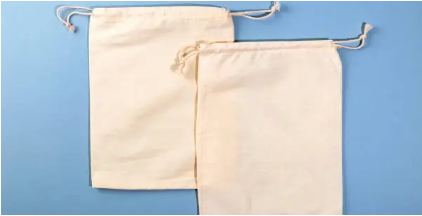
In Australia, demand for efficient, sustainable packaging solutions has never been higher. Among the innovative options gaining traction are stockinette bags, versatile products increasingly used across the food, medical, and industrial sectors. These flexible, breathable bags offer a cost-effective, hygienic, and environmentally conscious alternative to traditional packaging, making them remarkably essential for businesses seeking to streamline operations while meeting modern sustainability standards.
The Rise of Stockinette Bags in the Australian Market
Stockinette bags, often made from knitted cotton, polyester, or a blend of materials, have long been valued for their elasticity and durability. In Australia, industries ranging from meat processing to fruit and vegetable distribution have recognised the benefits of integrating these bags into their packaging processes. Unlike rigid containers, stockinette bags conform to the shape of their contents, offering superior protection and reducing the risk of damage during transport.
Furthermore, the lightweight nature of these bags reduces shipping costs, a crucial consideration for Australian businesses operating across vast distances between production sites and distribution hubs. Many local suppliers now provide stockinette bags in various sizes and strengths, tailored to meet the specific needs of different sectors, from small boutique farms to large-scale meat processors.
Applications in Food Packaging
One of the primary uses of stockinette bags in Australia is within the food industry. Meat processors, in particular, rely on these bags for their hygienic properties. Stockinette bags allow meat to “breathe,” reducing condensation that can lead to spoilage. They also facilitate easier handling and storage in refrigerated or frozen environments, helping maintain product integrity and safety.
In the agricultural sector, stockinette bags are increasingly used to store and transport produce such as citrus fruits, avocados, and potatoes. The breathable structure helps prevent moisture buildup, extending the shelf life of fresh produce. Australian farmers and distributors have reported reduced post-harvest losses since switching to stockinette bags, underscoring the practicality of these bags in maintaining food quality across long supply chains.
Medical and Industrial Benefits
Beyond food packaging, stocking bags have found a niche in medical and industrial applications in Australia. Hospitals and medical suppliers use them for sterile wrapping, equipment protection, and the organisation of surgical tools. Their soft, flexible texture prevents scratches or abrasions, which is crucial in sensitive environments.
In industrial settings, stockinette bags serve as protective covers for delicate machinery parts or as packaging for fragile components during shipping. Their stretchable design allows them to fit objects of varying sizes, eliminating the need for multiple custom-sized containers. Australian companies appreciate this adaptability, which streamlines logistics and reduces overall packaging expenses.
Sustainability and Environmental Considerations
Sustainability is a continuously growing concern for Australian businesses and consumers alike, and stockinette bags align well with this trend. Many stockinette bags are made from natural or recyclable materials, offering an environmentally friendly alternative to single-use plastics. Their reusability and durability further contribute to waste reduction, which is a priority for companies aiming to meet both regulatory requirements and consumer expectations.
Several Australian manufacturers have invested in eco-friendly production methods for stockinette bags, using organic cotton or recycled polyester. These initiatives not only reduce environmental impact but also enhance brand reputation, appealing to the rapidly expanding eco-conscious consumer base nationwide.
Choosing the Right Stockinette Bags
Selecting the appropriate stockinette bag is critical for maximising efficiency and protection. Businesses in Australia must consider factors such as bag size, material composition, elasticity, and breathability to match specific use cases. For example, heavy-duty stockinette bags are ideal for large cuts of meat or industrial parts, while lighter, more breathable versions are suitable for fruits, vegetables, and delicate medical equipment.
Additionally, partnering with reputable Australian suppliers ensures consistent quality, timely delivery, and compliance with local regulations. Companies that invest in high-quality stockinette bags often experience tangible benefits, including reduced product damage, lower waste, and improved operational efficiency.
The Future of Stockinette Bags in Australia
As sustainability and efficiency continue to drive innovation in packaging, stockinette bags are poised to play an even larger role in Australia’s market. Technological advancements in materials and manufacturing techniques are expected to enhance their strength, durability, and eco-friendly attributes.
For businesses aiming to maintain a competitive edge, stockinette bags represent more than just a packaging solution—they are a strategic investment that can improve product quality, reduce costs, and demonstrate a commitment to sustainable practices. With their versatility, practicality, and growing adoption across industries, stockinette bags are redefining packaging standards in Australia.