
Varicose veins can cause leg discomfort and swelling, often leading to treatment to alleviate symptoms and avoid complications like ulcers. Most often, this procedure can be completed outpatient. Before proceeding with any outpatient procedure in a varicose vein treatment clinics Adelaide, check with your healthcare provider whether the cost will be covered by insurance.
Self-care treatments may include wearing an elastic support hose and elevating the legs when sitting or lying down. Herbal supplements or medicines that boost blood flow in your legs may also provide support.
Endovenous laser ablation
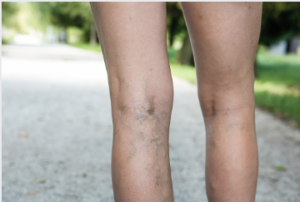 Varicose veins that cause lumpy surface bulges on your legs can be treated using endovenous laser ablation, a minimally invasive procedure using ultrasound guidance to deliver laser energy into diseased veins, which then collapse and seal closed, with blood being routed instead to healthy veins in your leg. This method is less invasive than traditional surgery, with a lower risk of complications and faster results.
The varicose vein treatment clinics Adelaide procedure involves local anaesthetic and sedative medication to relax you before the doctor makes a small cut near the affected vein, then inserts a catheter (thin plastic tube with laser fibre inserted). With ultrasound guidance, they guide it over your varicose vein until the laser heats it and causes it to become numb – after which, a bandage will be applied over its wound by pulling out the catheter and replacing it with bandaging material.
As part of your healing process, it’s normal to experience some bruising and tenderness – wearing compression stockings may help mitigate such side effects.
Sclerotherapy
Sclerotherapy involves injecting varicose and spider veins with an injection of special fluid known as a sclerosing agent to close them off, gradually being replaced with healthy veins by your body over time.
Sclerotherapy may provide significant relief from symptoms of leg throbbing or swelling for almost everyone who seeks it, though pregnant, bedridden and those recovering from blood clots should not have it done. Furthermore, taking blood thinners like aspirin or naproxen sodium could also void its benefits.
Ligation and stripping
Varicose veins, also known as varicose arteries, are twisted, bulging blood vessels caused by weakening and stretching in their walls, which allows blood to pool within them and pool on the legs. Varicose veins may lead to pain, discomfort, skin discolouration – often on one or both legs – and open sores (ulcers). They usually occur in legs but can occur anywhere on the body and often appear first as spider veins in other places.
Surgery may be used to either eliminate or close varicose veins, relieving pressure from existing varicose veins while helping stop further expansion and potentially preventing new ones from emerging. It reduces pressure on skin veins while stopping existing ones from growing worse or new ones from appearing altogether.
The exact nature of your varicose vein surgery depends on its location. Most often, surgeons make a slanting cut in the groin before tying off its top end (long saphenous vein) to stop blood flowing through. They then tie off (ligate) this long saphenous vein so no further blood flows through and strip out (strip). It should solve your problem and should prevent future episodes.
Laser treatment
Laser treatment for varicose veins in a varicose vein treatment clinics Adelaide is a minimally invasive and virtually painless solution, using a highly focused beam of light to close unhealthy varicose veins. Stopping blood from flowing into enlarged varicose veins causes them to shrink and disappear over time. You won’t require anesthesia; the procedure can be completed quickly so that you can resume normal activities immediately afterwards.
Change into a hospital gown and lay down on an exam table before being treated by your healthcare provider. They will make a small incision near your varicose vein and insert a catheter containing laser fibre; this catheter will then be guided into your diseased vein using Doppler ultrasound as a visual guide, then activated to seal off and remove damaged veins, allowing healthy ones to carry blood back towards your heart.