
Metals that you bring into a scrap yard don’t magically become new products; there’s an intricate process involved that transforms those pieces of scrap into materials which can be reused again for numerous applications.
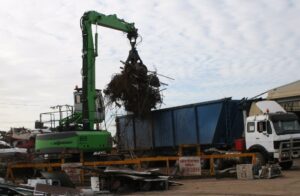 Copper pipe and brass fixtures that contractors and peddlers bring into a facility could be reused to construct massive steel beams for supporting modern skyscrapers – but first these materials must be identified and separated out.
What is Scrap Metal?
Scrap metal Adelaide may seem like an indefinable waste product that will end up in the junk yard, but in reality, it has great value and can be put to many different uses across the world. Scrap metal recycling helps preserve natural resources by eliminating mining companies’ need to dig for raw materials; plus it saves businesses money as recycling will free them from paying for landfill space costs in the long run.
Ferrous scrap metal is by far the most recycled type, found everywhere from old coat hangers to washing machines. This recyclable metal is easy to distinguish as its magnetic properties make it stand out; in fact, many scrap yards have magnet-fitted cranes to sort this form of metal scrap efficiently.
Copper, aluminium, and brass are also commonly found among scrap metal. While less costly to produce than steel, they still possess significant value and can be recycled repeatedly. Copper can often be found in electrical wires and computer cables as well as old plumbing pipes and cooking pans; its dark brown or reddish hue indicates it could contain copper.
Non-ferrous metals also hold great value and are equally recyclable to ferrous ones. Non-ferrous materials often find new use in car bodies or other products that need strong yet lightweight materials; or can even be repurposed into door frames and furniture thanks to their versatility.
Metal recycling has rapidly gained in popularity worldwide. There are various means of metal recycling ranging from curbside pickups and drop off facilities to local scrap yards that have made this global industry. Repurposing metal reduces mining operations’ need to mine for new resources, which can be harmful to the environment. Recycling also helps decrease landfill trash volumes because metal can be reused repeatedly without losing any of its properties. If you’re new to recycling metal yourself, there are numerous helpful guides online that can provide guidance. They’ll outline which metal types to look out for and how to distinguish between them; knowing this will ensure a successful experience at your scrap yard! A scrap metal Adelaide yard typically pays according to which item in your pile has the most value or asks you to return with more items for recycling.
Ferrous Metal
When it comes to metal fabrication, it’s essential to distinguish between ferrous and non-ferrous materials. The main distinction lies in whether or not ferrous alloys contain iron while non-ferrous metals don’t; this distinction has significant ramifications for applications as well as scrap yard value.
Ferrous metals are strong and long-lasting materials that make up many structures such as skyscraper steel beams and railroad tracks, car engines and truck engines, machinery tools in the home as well as various machinery devices used around the office.
Ferrous metals’ magnetic properties enable them to be separated easily and melted down for recycling, saving both energy and water consumption as well as decreasing pollution from ore extraction processes. This recycling process helps save resources while helping conserve resources by recycling what would otherwise become waste products.
Everyday steel products that we depend on in life are constructed using recycled ferrous metals, from beams and railway tracks to car and truck frames, machine parts and tools. One such recycled ferrous metal product that provides us with everyday benefit is stainless steel; designed specifically to resist corrosion and rust through its combination of iron with other elements like chromium and nickel, giving it its strength.
Ferrous metals such as aluminium and copper make for excellent lightweight manufacturing materials, as they’re lightweight yet easy to work with – ideal for fast production of planes and cars. Both metals also serve as excellent heat and electricity conductors, so are commonly found in electrical wires and appliances; additionally, both have excellent resistance against water corrosion as well as acid corrosion for use as protective piping around battery cells or power cables.
Non-ferrous scrap metal Adelaide differ significantly from ferrous ones in that they lack magnetic properties and durability issues, as well as being more expensive. While their unique set of properties make them worth their increased costs for certain applications – such as zinc, tin and brass as well as precious metals such as gold, silver and platinum.