
Regarding antenna installation SA, there are a few key considerations you should keep in mind to maximise its performance and ensure you don’t miss any local channels.
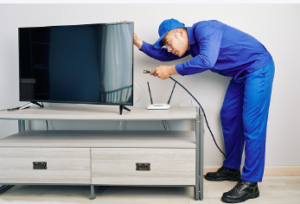
Choose and install an antenna of the appropriate type and mount it at its designated spot; signal reception strength can differ based on environmental factors like hills or tall buildings.
Choosing the Right Antenna
Before purchasing a television antenna, there are several factors you need to take into account before making your selection. Chief among them should be choosing an antenna with optimal reception in your location and needs; and how you plan to connect your antenna to your television set.
Your antenna choice can determine what channels and picture quality are available and where they’ll be broadcast. Again, depending on where you live, this might require an outdoor model or something more suitable for indoor mounting near windows or walls.
Once you understand which frequency bands your area utilises, selecting an antenna that best meets your needs will become much simpler. Choosing between VHF or UHF viewing may depend on factors like the elevation level of the home and personal preferences and considerations such as VHF vs UHF viewing requirements.
Roof Mounting
Installing a TV antenna on your roof is an ideal way to maximise the value of your cable subscription, giving you access to more channels at the best possible signal quality and ease. Plus, installation should only take minutes!
Before beginning, take some time to select an ideal location for your antenna. Then, consider a few factors, such as their distance from broadcast towers. Also, consider whether metallic surfaces are nearby, such as fences or security bars, which could interfere with its installation.
Once you’ve selected an antenna and mounting option that meets your needs, installation should commence. Here are a few things to keep in mind when mounting your antenna on a roof:
Step one of installation requires attaching the base mount to your rooftop using lag screws. For masts that stand several feet taller, additional safety may include using guy wires to hold them steady.
At this point, it’s time to connect the coaxial cables to your antenna. Again, an antenna installation SA professional is recommended to ensure proper installation without complications later. Also, be sure that it is located away from any obstacles, such as fluorescent lights or metal objects that might interfere with reception, such as fluorescent bulbs that might obstruct its signal.
Cable Connection
An antenna receives TV signals over the air as an alternative to cable or satellite providers. Antennas can be mounted in various shapes and sizes on your roof or the ground.
An effective TV antenna setup should aim at the transmission towers carrying local television stations in your area, using either a smartphone compass app or carpenter’s level tool to get optimal reception.
Coaxial cables connected to a television’s antenna must be of superior quality, with minimal interference through walls. Running new cabling may be beneficial if your existing cabling is older or of inferior quality (e.g. RG59 as opposed to RG6) or if you have multiple televisions.
Troubleshooting
As you watch your favourite television show, the screen, speakers and antenna must work harmoniously to deliver uninterrupted viewing pleasure.
Whether it is indoor or outdoor antennas, to make sure they deliver optimal picture and sound, regularly troubleshoot them to identify any issues affecting reception and take steps to resolve them. Hence, your TV continues to provide high-quality pictures.
As soon as your antenna has been assembled, inspect all cords and cables connecting it. Ensure they are secure without being broken, twisted or chewed through (mainly if small furry animals live in your house).
Connect your antenna to your TV and conduct a channel scan; if any channels are missing during this test, this indicates an issue with the antenna.
If your channels are still missing after testing everything, gradually remove pieces of equipment to isolate the source of the issue and see which is responsible. Once each has been eliminated, verify if channels appear on your television set to verify everything usually functions.
One common cause of poor reception is an antenna that has been mispositioned, often due to weather or interference from external sources.
For this reason, you should have an experienced antenna repair technician inspect your installation for potential issues and fix them promptly. They should be able to detect and remedy any possible problems as part of this service.