
When buying hearing aids, you will be making a purchase that will be used to enhance your hearing. You can choose from various devices, including in-the-ear (ITE) and directional microphones. These devices can either be prescription or over-the-counter, and they can also have rechargeable batteries.
Prescription vs over-the-counter
Whether you’re buying HC-Audiology hearing aids for yourself or a loved one, you’ll find two options: prescription and over-the-counter. But which is right for you?
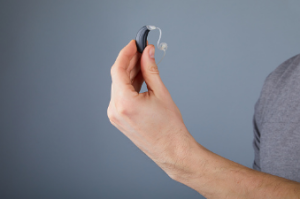 Prescription hearing aids offer more sophisticated technology and are designed to treat various forms of hearing loss. They require professional care to ensure safety and proper operation. However, prescription devices are often more expensive than their over-the-counter counterparts.
Over-the-counter (OTC) listening devices are less expensive and are sold at drug stores and online. As a result, they are a convenient way to manage your hearing without the need to go to an audiologist.
OTC hearing devices may be the right choice for you, but it’s important to note that they don’t offer the same level of personalised care as prescription devices. As a result, you’ll still need to schedule a follow-up visit with a hearing health professional to ensure the device is working correctly.
If shopping for an HC-Audiology OTC device, you should check the label to ensure it satisfies FDA quality standards. Some companies will offer a remote assessment from an audiologist or provide support for cleaning or maintaining the device.
There are also several other options to consider before you purchase a hearing aid. For example, if you’re interested in a hearing aid but don’t have time for an in-person visit with a doctor, you should check with your insurance company to see if you can get hearing aid benefits.
Ultimately, getting an expert’s advice is the best way to find the ideal device. That’s why visiting a local audiologist is recommended for a proper diagnosis and fitting. It will be much more effective than looking up an instrument online.
Regarding over-the-counter hearing devices, the best option for most people is to get a hearing evaluation. It’s a good idea to consult a hearing health professional to ensure you get a suitable device and learn about the latest innovations.
A new rule approved by the Food and Drug Administration (FDA) will make it easier for consumers to buy hearing aids over the counter. In addition, the agency allows manufacturers to market their products directly to consumers, encouraging innovation and competition.
In-the-ear (ITE) styles
In-the-ear hearing aids are used for people with mild to severe hearing loss. These devices are easy to handle and available in various shapes and sizes. They may be better for individuals who want a more discreet device.
The main component of an ITE-style hearing aid is a microphone, which enables the user to receive sound. Some models may also feature a telecoil. This feature allows the user to connect to a telephone or sound system.
BTE (Behind-the-Ear) and RIC (Receiver-in-the-Ear) are the most common hearing aid styles. Both use a thin receiver wire extending from the device’s body and couples the speaker to the ear.
Although there are a variety of ITE styles, most miniature versions are often recommended for users with moderate hearing loss. However, they are less useful for people with severe hearing loss. Depending on the device’s size, you can choose an ITE model with a half shell or an entire shell.
Those unsure which type of hearing aid is right for them can learn more about the hearing aids on the market by contacting a hearing healthcare professional. Most patients can adjust to wearing the support within the first few weeks, but you should follow up with your doctor if you feel discomfort.
Choosing an in-the-ear style of hearing aid may provide a more comfortable and secure fit. The device will also interfere less with your natural hearing. It is best suited for people with moderate to severe hearing loss and dexterity problems.
Rechargeable batteries
Today, the leading hearing aid manufacturers offer a wide range of Lithium-Ion models. These new battery options are designed to provide the longest-lasting power and the fastest recharge time. They are also the most environmentally friendly. However, choosing the right type of battery for your needs is essential.
Hearing aid batteries are usually sealed and sensitive to extreme temperatures. It is why it is recommended to keep them at room temperature. If the batteries are stored at a too-hot or too-cold temperature, the chemical processes that occur will lead to discharge.
Silver-zinc rechargeable batteries are a viable option. They are also recyclable. The downside to these batteries is that they must be replaced about once a year. They can operate wireless streaming hearing devices for a full day, but they do not last forever.
NiMH cells are also a viable choice. They can last up to hundreds of cycles. They are comparable in energy density to zinc-air batteries. But they need to be sealed in their cases to protect them.
Another rechargeable battery solution is the ZPower Second Generation Rechargeable System. This more advanced system offers an additional coating, which helps prevent corrosion. It also provides a more robust design and can be charged hundreds of times without losing capacity.
In addition, Lithium-ion batteries are the lightest of all rechargeable batteries. Their energy density and high capacity mean they are the best choice for wearers of binaural features.
Some hearing aid batteries require a small battery-powered charger. Other types can be placed in a recharging station overnight. There are also rechargeable hearing aids that don’t need to be opened at all.